



BACK TO Business Resilience
ZINNOV PODCAST | Business Resilience


|
|
Wayfair was not built in a day. It was built slowly, deliberately, and with a partnership that worked because neither of them ever got the last word.
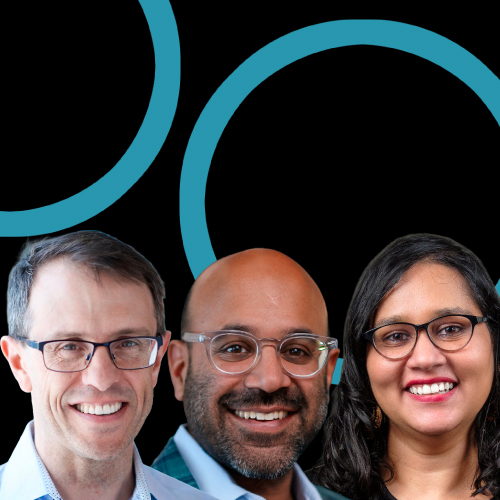
In this episode of Zinnov Podcasts, we bring together the Wayfair founders, Niraj Shah and Steve Conine, in conversation with Nitika Goel, Managing Partner and CMO at Zinnov, to hear the Wayfair story of what it truly takes to build and scale a durable company.
Over more than two decades, Niraj and Steve built Wayfair not by chasing momentum, but by returning to first principles whenever things became complex. They believed that disagreement—handled well—leads to truth. That data should challenge instinct. And that progress worth keeping often feels slower than expected. For ten years, the company was bootstrapped. Scarcity sharpened decisions and forced focus. As the organization grew, the work evolved from doing everything themselves to building systems others could trust. Culture, people principles, and operating discipline became anchors: quiet mechanisms that helped thousands of people move in the same direction.
This isn’t a story about perfect decisions. It’s about staying in the work through uncertainty, trade-offs, and time. For leaders navigating scale, complexity, or change, this episode of Zinnov Podcasts offers a simple reassurance: patience is not hesitation, discipline is not restraint, and building something that lasts is, in itself, an act of leadership.
Tune in now.
PODCAST TRANSCRIPT
Nitika: You folks have been building something together longer than most marriages last. What makes this partnership work?
Niraj: We first met in college. We were friends before we became business partners. One advantage we had was a very strong personal relationship. We trusted each other and valued each other’s judgment.
Over time, we gravitated toward different parts of the business. Our skills and interests were very complementary.
Steve: I would add that we have a shared belief in ground truth. Our fundamentals are very similar, and when they are not, we are willing to argue it out until we get aligned.
Relationships develop over time. They take commitment and honesty. We both learned early on that we like to work hard, be straightforward, and stay direct with each other.
Nitika: As you scale, egos can come into play. What is your conflict operating system?
Niraj: We are very data-driven. Even when instinct plays a role, we pair it with data. When we disagree, we listen to the other perspective and often test ideas through small experiments before scaling.
Over time, we learned to experiment, collect data, and decide rather than relying on assumptions.
Steve: Having two founders helps keep each other in check. It is easy for solo founders to develop blind spots, but we call each other out when that happens.
Nitika: Looking back, what small decisions created outsized outcomes?
Bootstrapping. We planned to bootstrap as long as possible and ended up doing it for ten years. Scarcity forced focus, discipline, and strong execution.
When we eventually raised capital, we were already at USD 500 Mn in sales. That significantly reduced dilution and helped us build a durable business.
Nitika: As you scaled, what did you have to unlearn?
Niraj: Early on, you are deeply involved in every detail. As you grow, you must learn how to abstract yourself upward while staying deeply involved in the most critical areas.
This learning repeats itself as you grow from tens to hundreds, then thousands of people.
Steve: Another lesson was learning to hire specialists who are better than we are at specific things. Scaling requires trusting people with deeper expertise.
Niraj: We tried to preserve an entrepreneurial culture while minimizing bureaucracy. Systems that worked at one stage eventually needed to evolve.
Steve: Writing down culture principles initially felt unnecessary, but those artifacts became essential in maintaining values as the company scaled.
Nitika: Home is deeply personal. How did you build that emotional understanding into the company?
Niraj: Everyone in the company is also a customer of home goods. Fashion and home are categories where people want individuality.
Steve: Early on, everyone handled customer service. The first hundred hires all took customer calls, which built a strong customer-first foundation.
Even today, reviewing order receipts helps us stay grounded in what customers are buying.
Nitika: What made you bet on India?
Niraj: Several technology leaders had strong prior experience in India. We learned from them. In hindsight, we wish we had come sooner.
Building full-stack teams in India, with product and engineering ownership, has strengthened the company globally.
Nitika: What technologies excite you most in retail?
Steve: AI is transformative. It improves visualization, personalization, efficiency, catalog quality, and customer service. We are still in the early stages.
Niraj: Visualization will change how people shop. Customers will expect to see products placed accurately in their own spaces.
Nitika: What was the riskiest decision you made?
Niraj: Shutting down 200 category-specific websites and moving everything to Wayfair.com. It was risky, difficult at first, but essential to building a household brand.
Nitika: What advice would you give your younger founder selves?
Niraj: When you realize something is not working, especially with people, act faster. Waiting always makes it worse.
Steve: Persistence matters. This was not a quick journey. We have been building for over twenty years, and the joy is in the journey.
Nitika: Thank you both. This was a true masterclass in entrepreneurship.
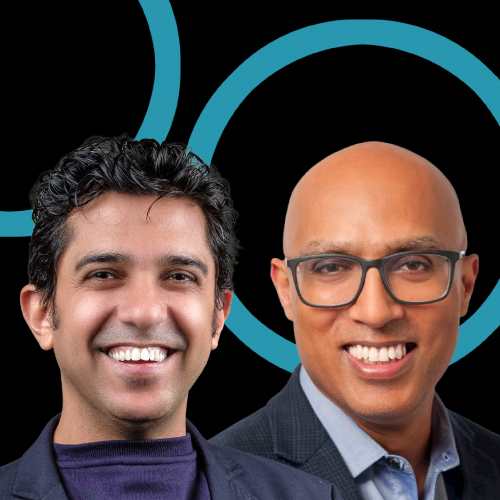
Cloud platforms scale through ecosystems. Tune in as Pallab Deb of Google Cloud discusses partner roles and growth.
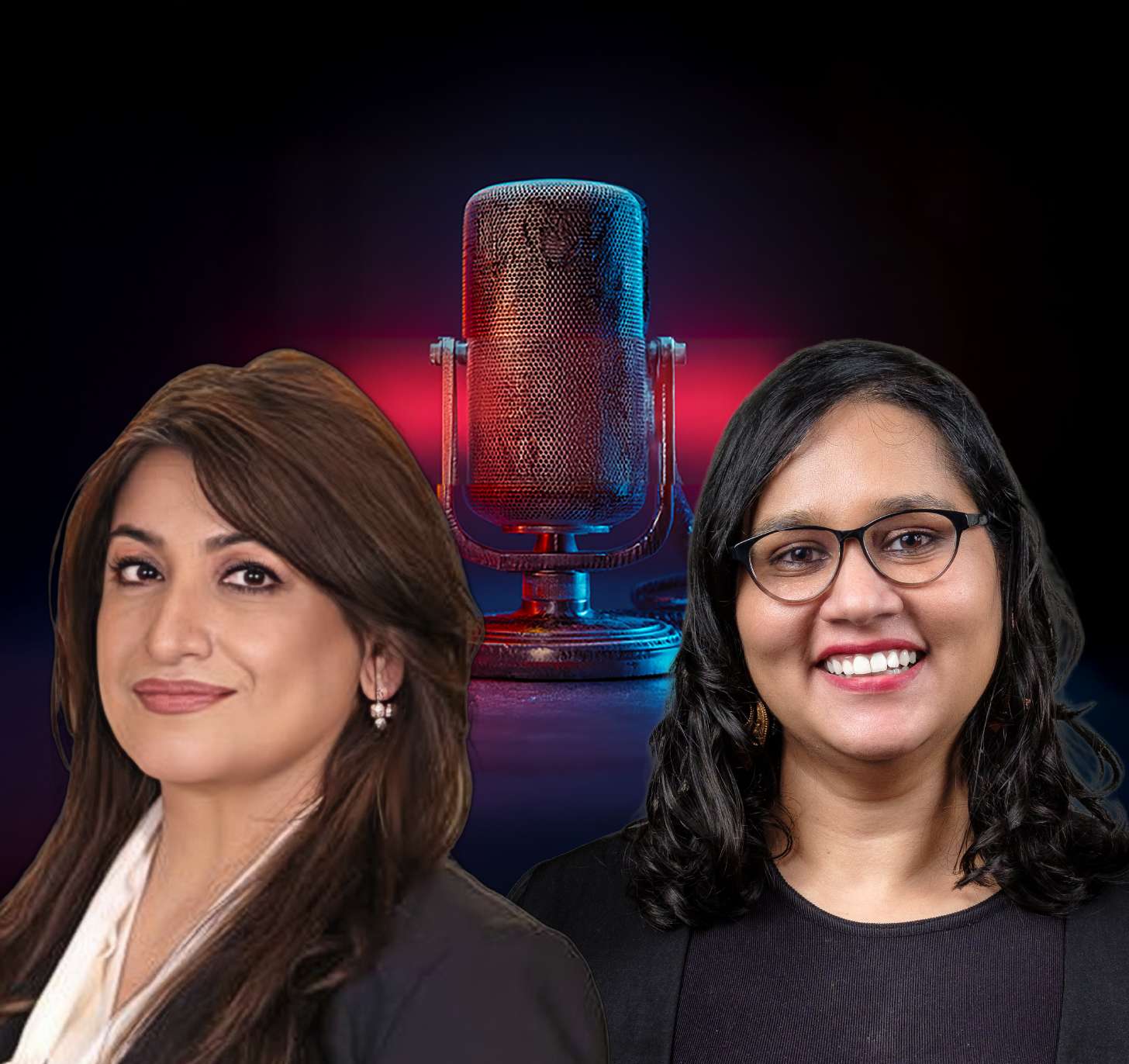
NatWest’s Ruchika Panesar with Nitika Goel on Zinnov podcast - GCCs Unfiltered, on leadership, systems thinking & judgment. Tune in now.
Don’t miss any of our future episodes!
Also subscribe to the Zinnov Podcast on these platforms






Cloud platforms scale through ecosystems. Tune in as Pallab Deb of Google Cloud discusses partner roles and growth.
NatWest’s Ruchika Panesar with Nitika Goel on Zinnov podcast - GCCs Unfiltered, on leadership, systems thinking & judgment. Tune in now.
 THANK YOU
FOR YOUR RESPONSE
THANK YOU
FOR YOUR RESPONSE